An aarti is a devotional song performed while waving a lit lamp before a deity. Browse the editorial guide and the publication status of each text below. Om Jai Jagdish Hare, the most widely sung aarti in Hindu tradition.
59 aartis shown
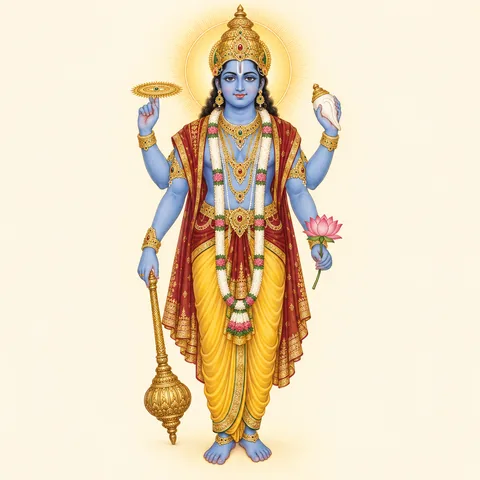
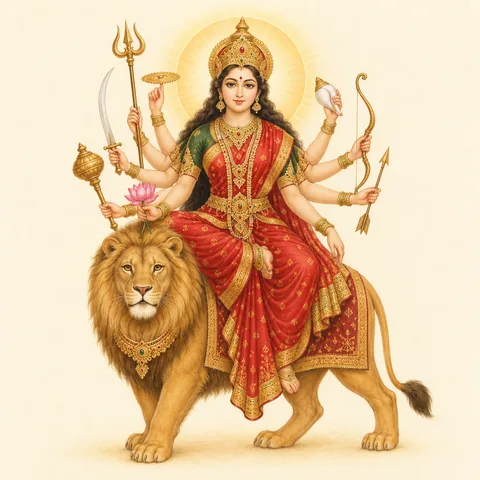
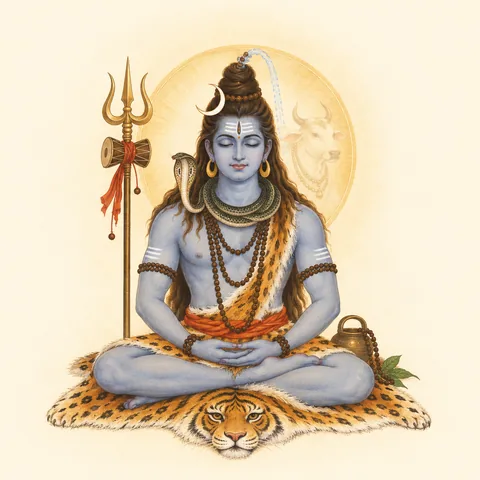
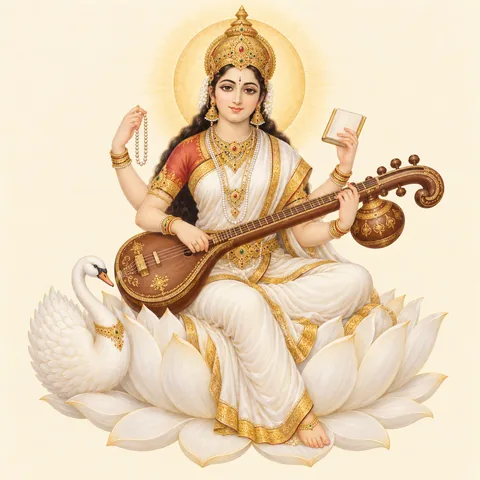
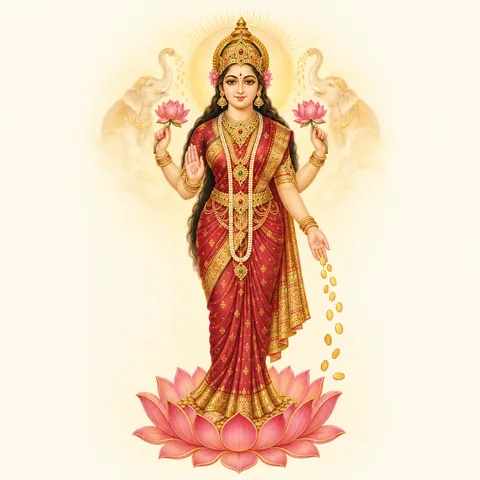
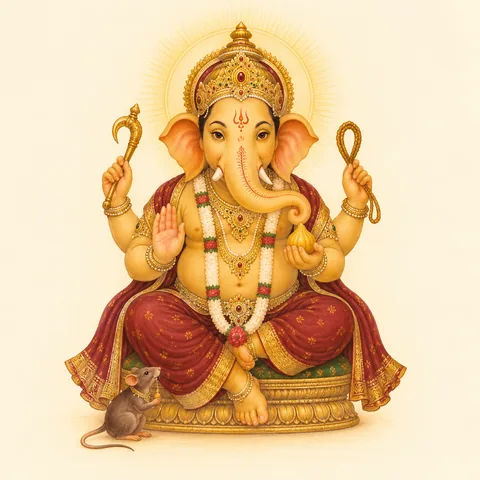
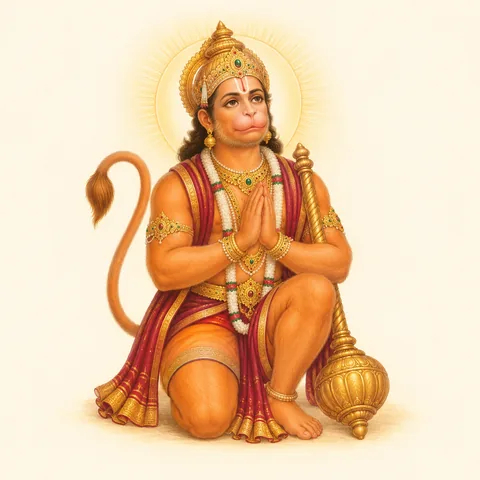

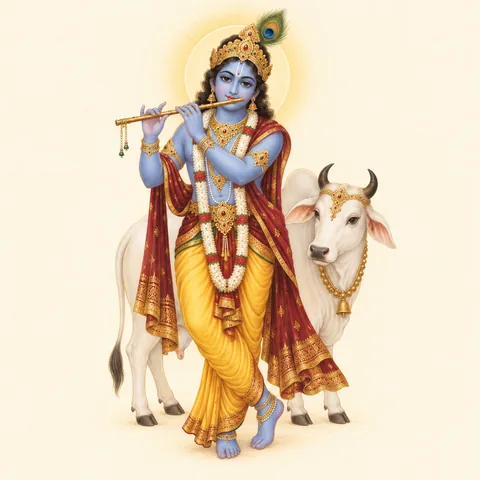
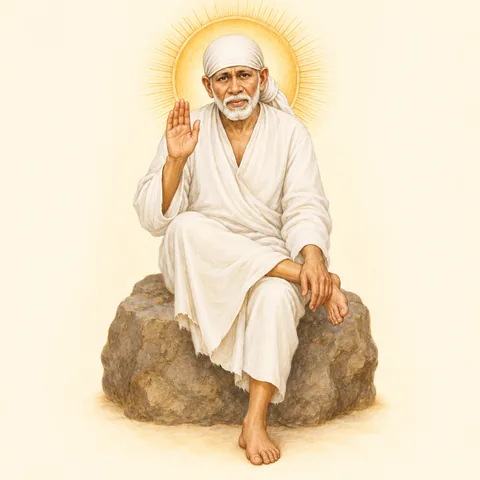
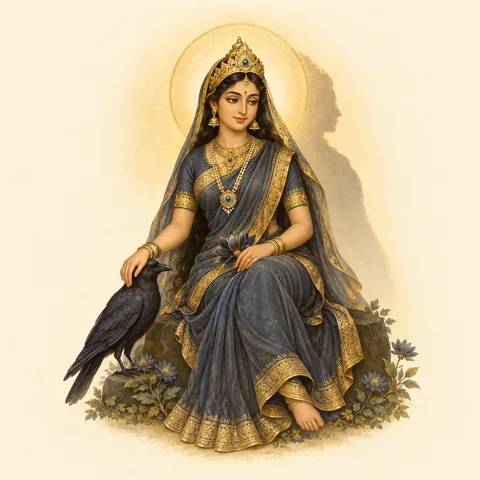
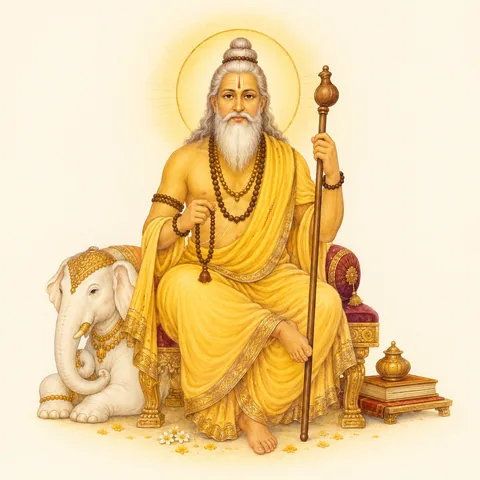
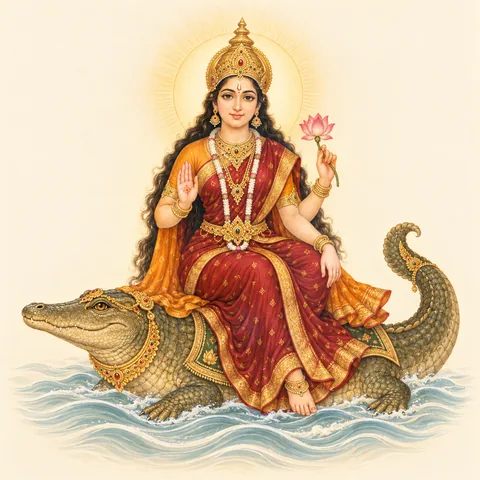
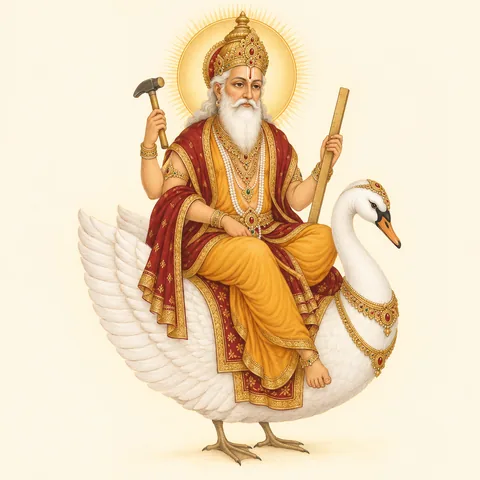
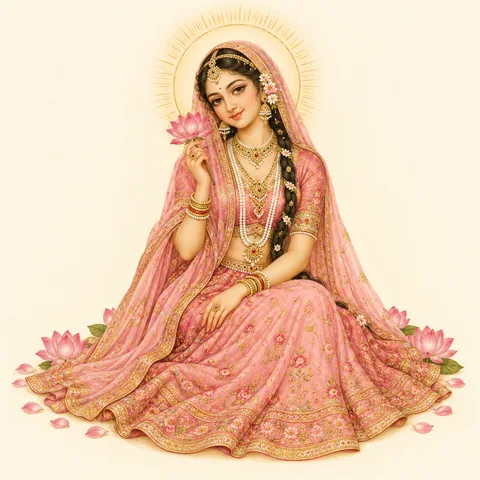
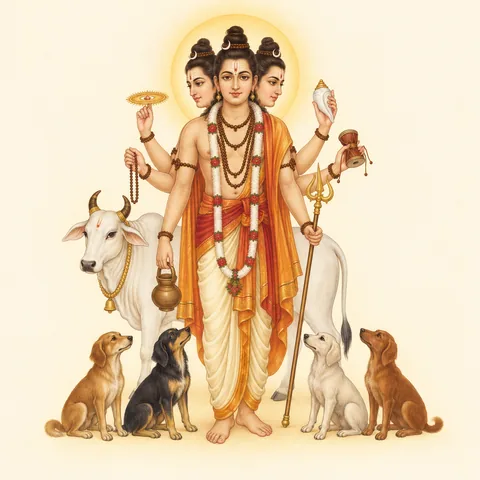
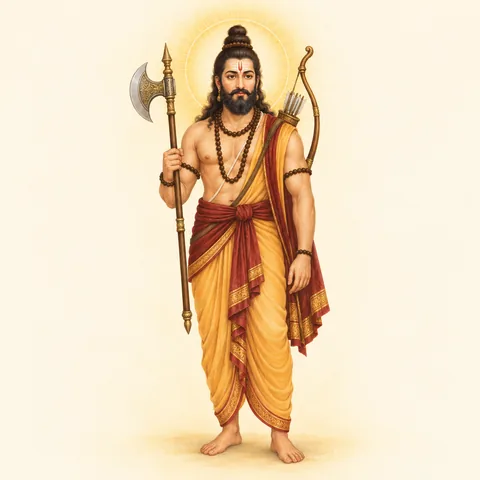
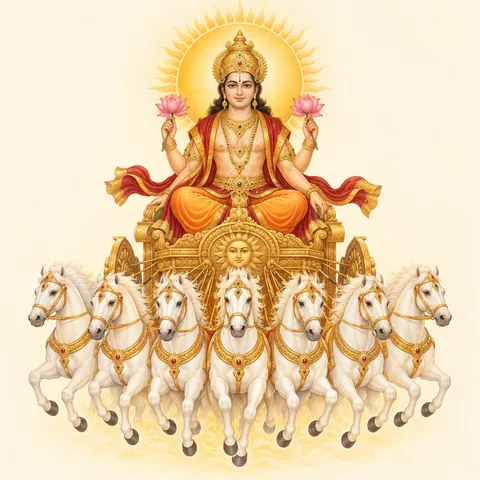
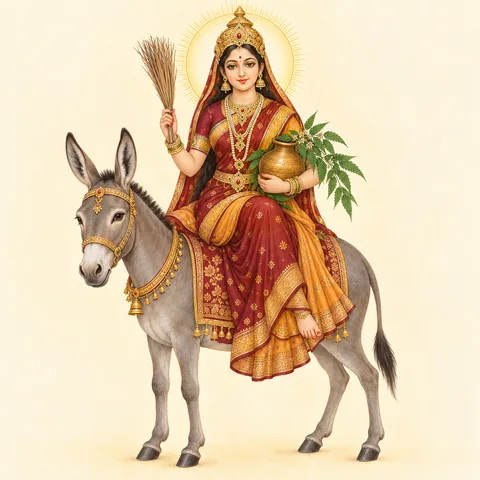

An aarti (आरती) is a devotional song performed while waving a lit lamp (the aarti-diya) in a circular motion before a deity. The word comes from the Sanskrit root 'ārt' — to dispel darkness. Aartis are short (typically 4–8 stanzas), sung repeatedly, and accompanied by the ringing of bells. The lamp is offered five times in different directions — feet, navel, face, top of head, and the devotee — and the flame is then passed among worshippers.
The most widely sung aarti across Hindu homes and temples is 'Om Jai Jagdish Hare,' composed by Shardha Ram Phillauri around 1870. Its five stanzas — without sectarian restriction — invoke the Lord of the universe (Jagdish) as the remover of devotees' troubles. Other defining aartis include Jai Ambe Gauri (Durga), Om Jai Shiv Omkara (Shiva), Om Jai Lakshmi Mata (Lakshmi), and Jai Ganesh Deva (Ganesha).
Aarti is performed at every puja — both in temples and at home altars. The major temple aartis follow a daily rhythm: morning (Mangal Aarti, before sunrise), midday (Bhog Aarti, after the noon offering), and evening (Sandhya Aarti, at sunset). Many deities have an additional late-night aarti (Shayan Aarti) before the deity is 'put to rest.' Home aartis follow the household's chosen times — typically morning and evening.
An aarti is a short devotional song (4–8 stanzas) sung while waving a lit lamp; a chalisa is a longer devotional hymn of exactly 40 chaupais (couplets). Aartis are performed as a ritual gesture of offering; chalisas are recited as devotional reading or prayer. Most Hindu homes have one or two aartis daily and read one chalisa daily — together they form the practical core of home devotion.
Yes. Aartis are communal songs, sung aloud by all present — temple priest and devotee, family members, neighbours and visitors alike. The full ritual is the singing, the bell-ringing, and the offering of the lamp; no special initiation is required. Hindu aartis are taught in homes, temples, and increasingly through recorded music and online learning.
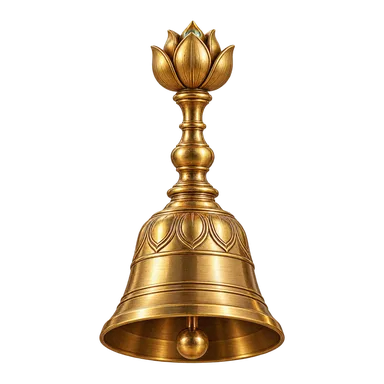
Bells (ghanta) are rung throughout the aarti to invoke divine presence — the sound is said to dispel negative energies and to alert the deity that worship is being offered. The traditional bell is a bronze or brass ghanta struck with a small metal clapper; the ringing is timed to fall at the end of each stanza or at each offering of the lamp.
Free Kundli
Your birth chart with Vedic analysis
Explore →Explore poojas
Choose a rite at a temple you revere and understand its meaning, traditional benefits, sankalp and gotra. Follow official temple sources or listed providers to arrange the pooja in your name; the provider confirms priest arrangements, payment and fulfilment.
Explore →Temples Near You
Find sacred spaces for darshan
Explore →Chalisa Sangrah
40-couplet prayers for every deity
Explore →Each option says what you get and what it costs before you commit.
Chart readings are calculated by the Vedika engine from the birth details you save.Refund terms
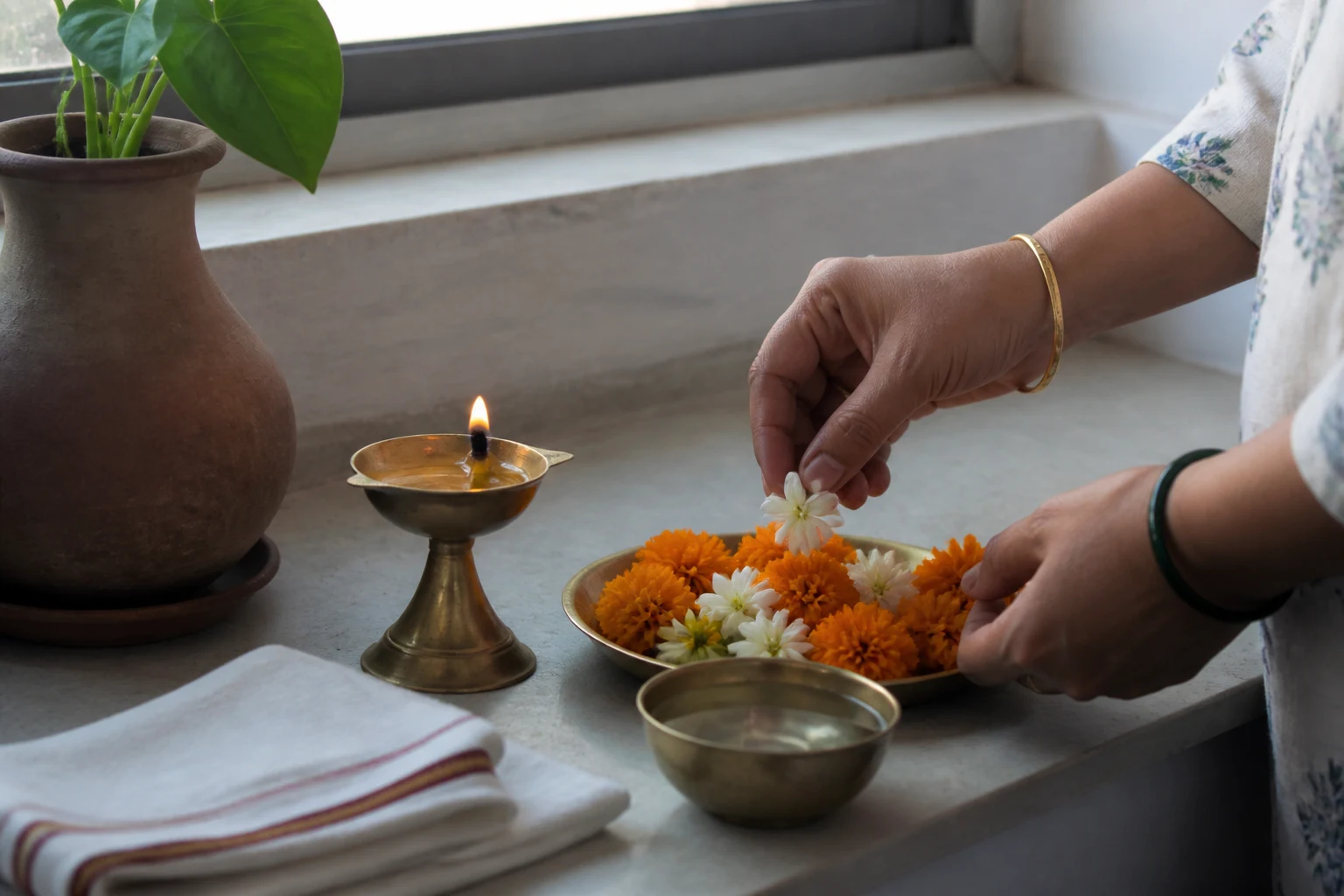


 Chart readings are calculated by the Vedika engine from the birth details you save.